Home/Blog

Field notes

What we are learning, written down.

Long-form, practical writing on conflict resolution in Boston — restorative justice, family mediation, youth empowerment, literacy, and the community work that keeps neighborhoods whole. Written for families, educators, volunteers, and partners.

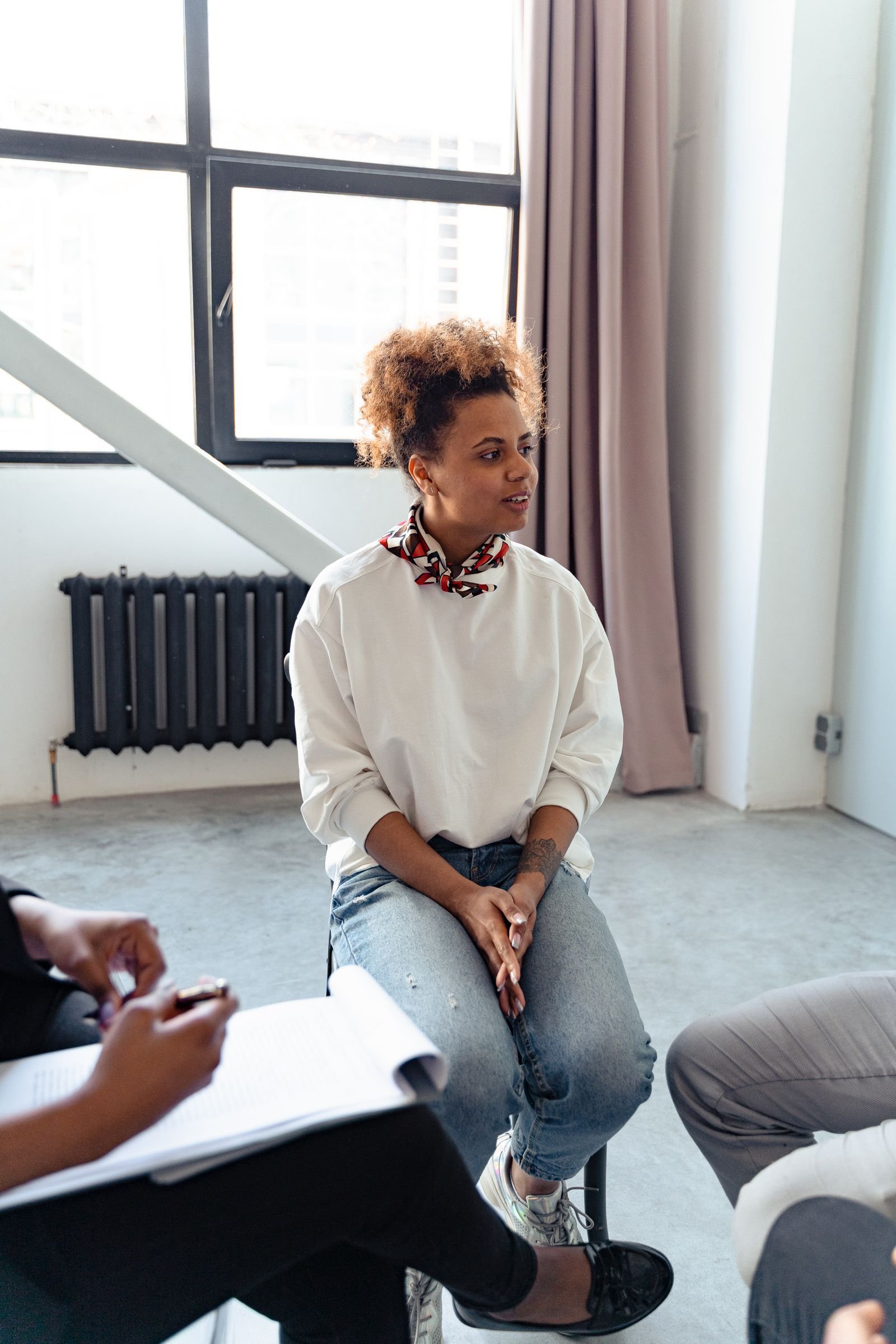
A participant speaking during a restorative circle session
Restorative justice

Restorative Justice vs. Traditional Discipline: Why Boston's Youth Excel with Restorative Practices

Suspension removes a student from the room. Restorative practice keeps them in it while still holding them fully accountable. Here is what the difference looks like in a Boston school hallway — and why it changes outcomes.

Read the article

A young girl smiling as she makes a move during a community chess session
Youth empowerment

Strategic Minds: How Learning Chess Helps Inner-City Youth Resolve Real-World Conflicts

Impulse control, perspective-taking, and consequence mapping are the same skills whether the board is wooden or the hallway is crowded.

Read more
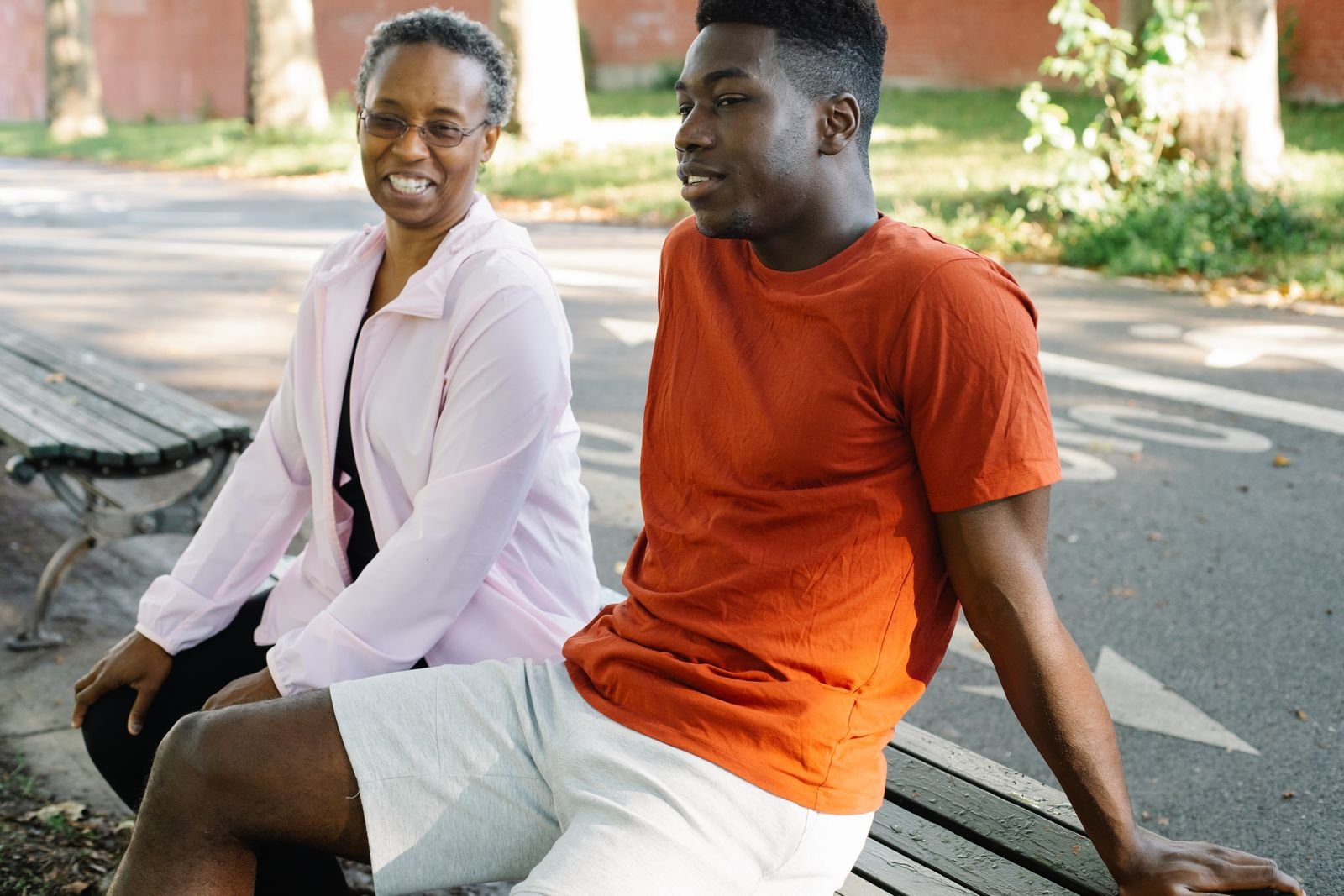
A mother and her adult son talking together on a park bench
Family mediation

De-escalation Techniques for Families: Managing Household Conflicts Peacefully

Six techniques that lower the temperature of a household argument, plus what to do the morning after one goes badly.

Read more
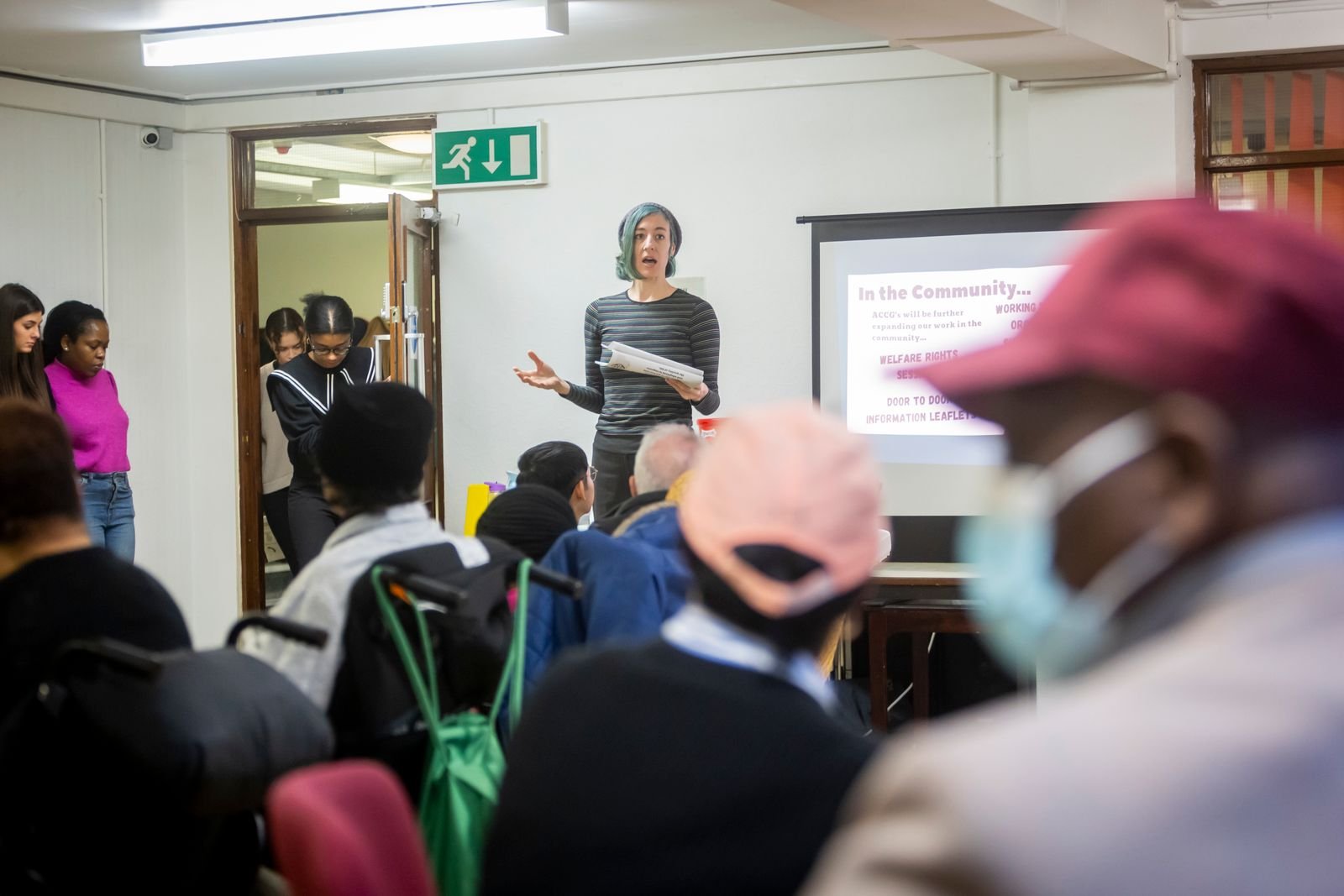
A speaker addressing residents at a neighborhood community meeting
Community

Breaking the Cycle: The Role of Community-Centered Engagement in Combatting Urban Violence

Violence interrupts a neighborhood. Community engagement interrupts the conditions that make violence likely in the first place.

Read more
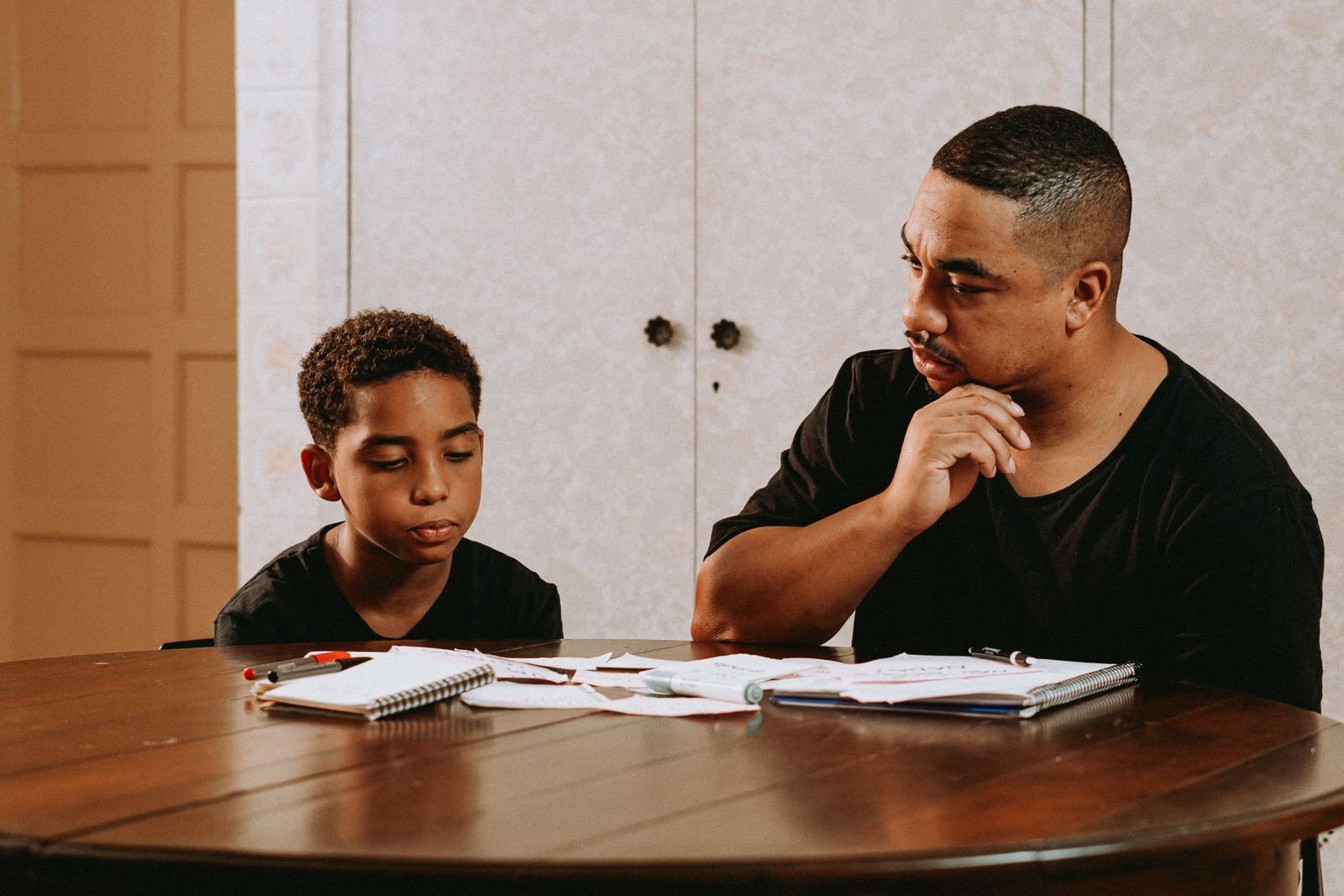
A father and son working together at the kitchen table
Parenting

Bridging the Digital Divide: Unifying Families Through Digital Literacy and Technology Training

When a caregiver cannot see what their child is living online, ordinary parenting decisions become guesswork. Closing that gap is conflict prevention.

Read more
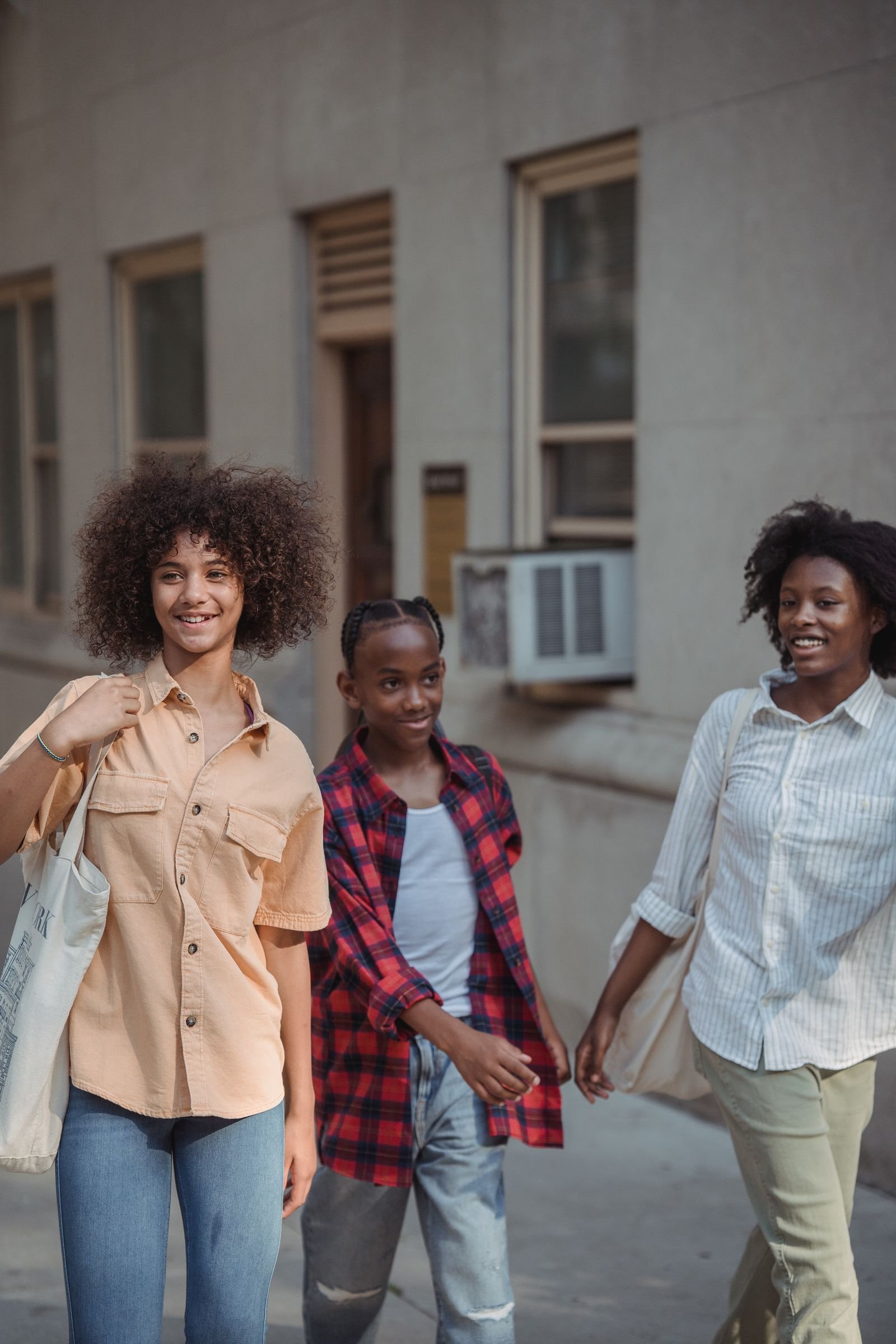
Three young people walking together through their neighborhood
Neighborhoods

The Architecture of Trust: How Neighborhood-Level Connections Prevent Group Transgressions

Blocks where neighbors know each other's names respond differently to trouble. Trust is infrastructure, and it can be built deliberately.

Read more
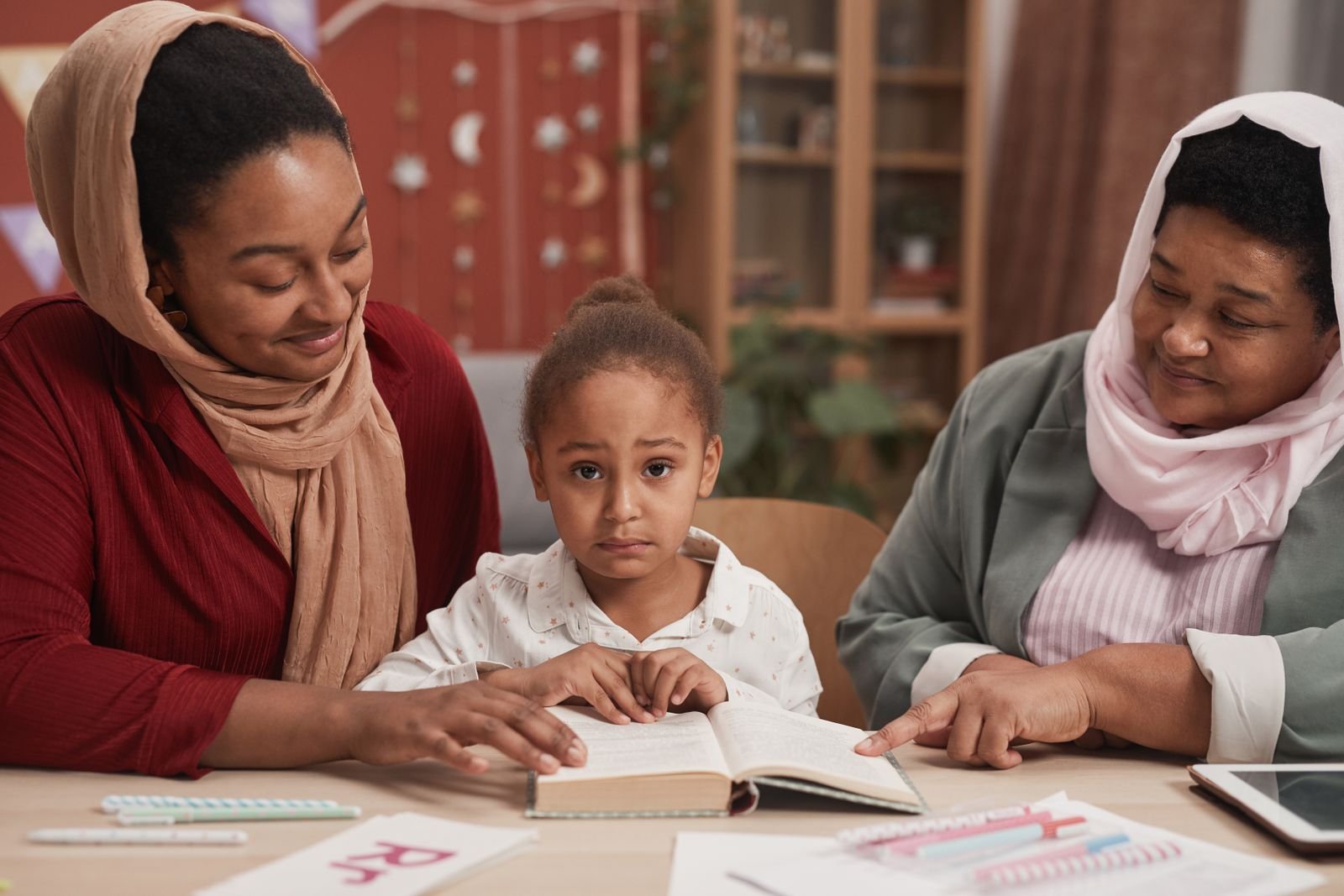
A grandmother, mother, and daughter reading together at a family literacy circle
Literacy

Literacy as Liberation: Enhancing Critical Thinking Skills to Promote Peaceful Resolutions

Reading closely and resolving conflict rely on the same underlying habit: slowing down long enough to consider another perspective.

Read more
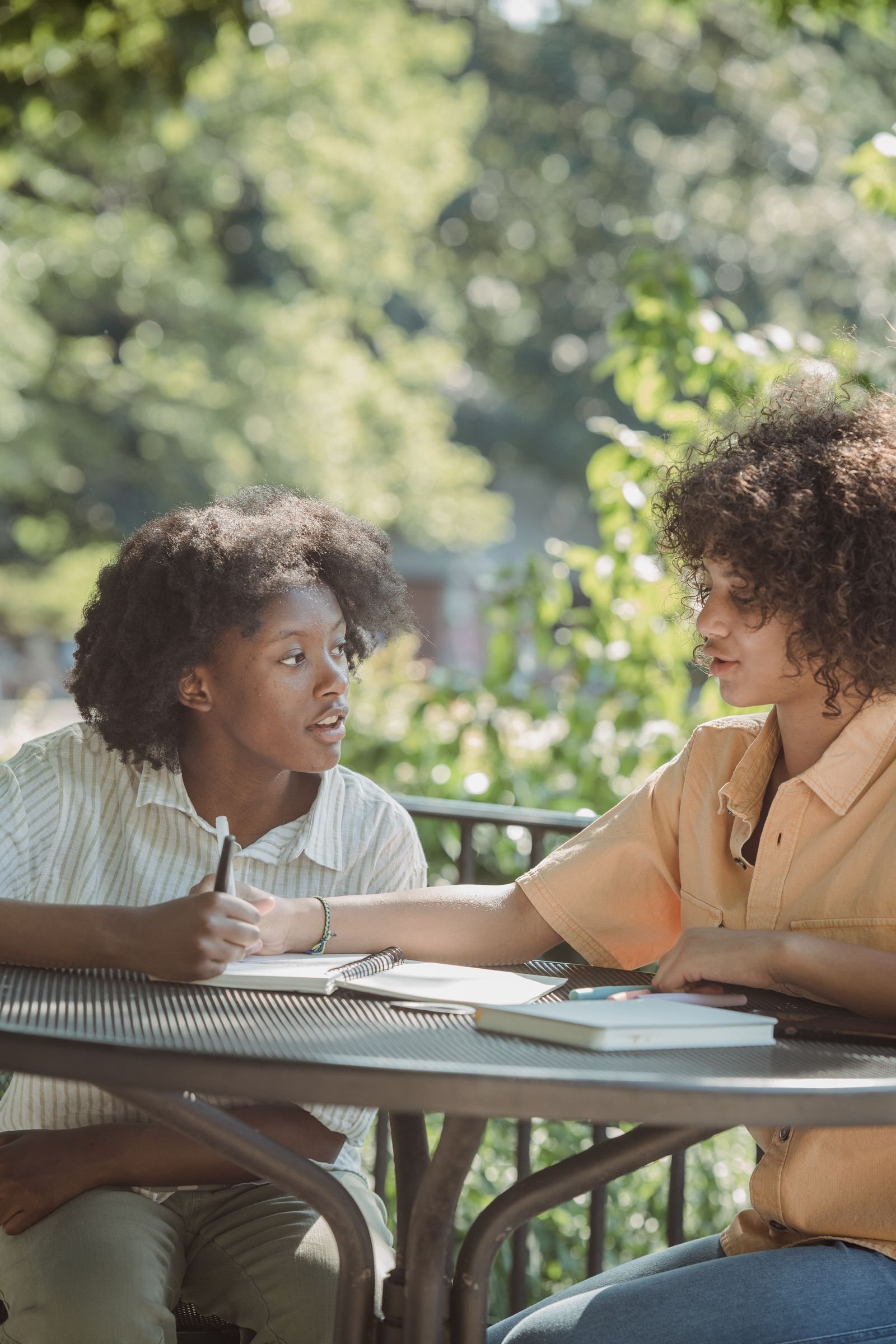
Two young people in conversation at an outdoor table
Classrooms

The Power of Active Listening: Expert Techniques for Managing Peer Conflict in Classroom Settings

A practical listening protocol for teachers, coaches, and volunteers who find themselves standing between two upset students.

Read more
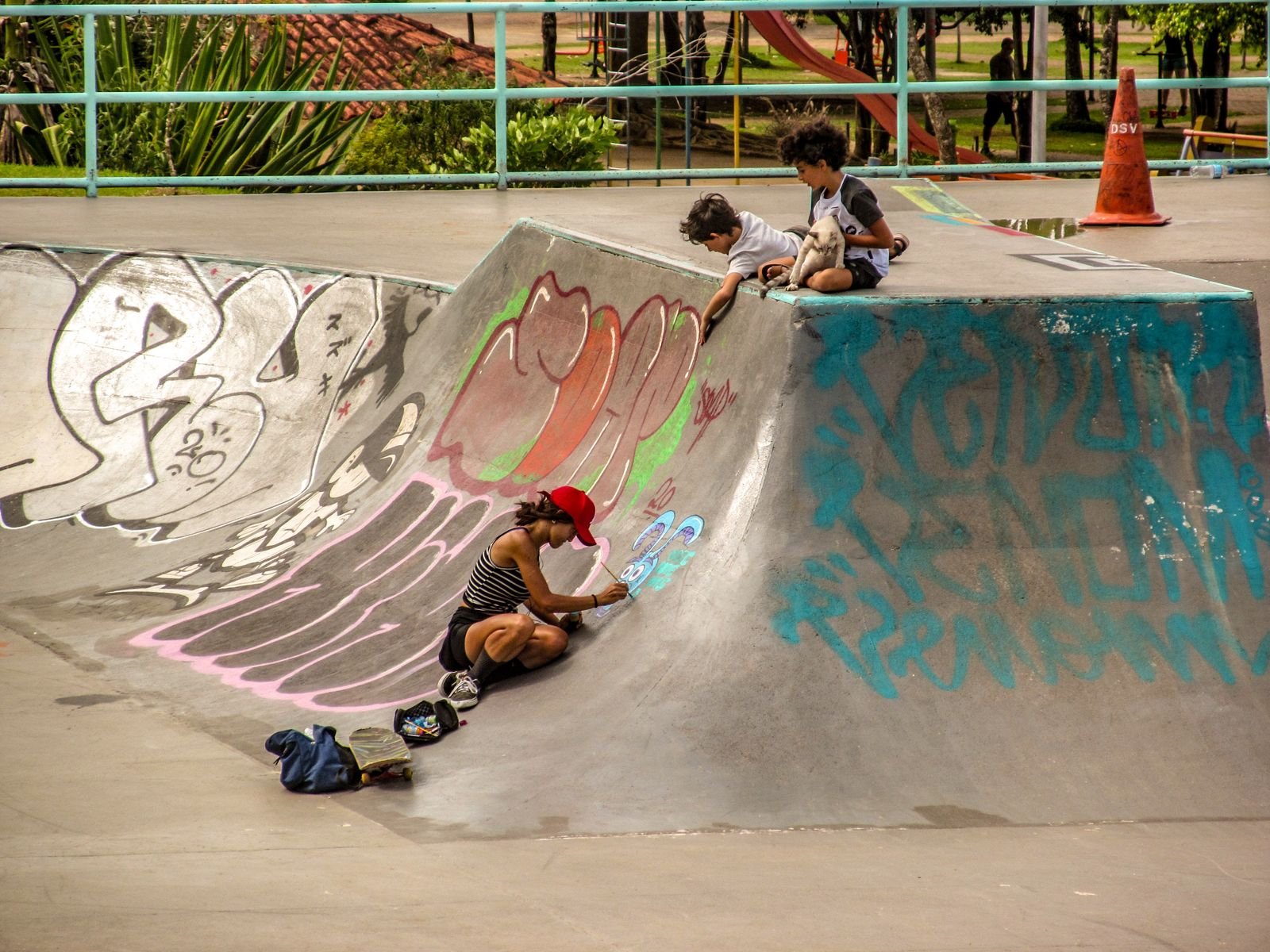
Young people painting a collaborative mural outdoors
Adolescence

Equipping the Next Generation: Why Emotional Competence Is Crucial for Adolescent Development

Emotional vocabulary is not a soft skill. It is the mechanism that turns a reaction into a decision.

Read more
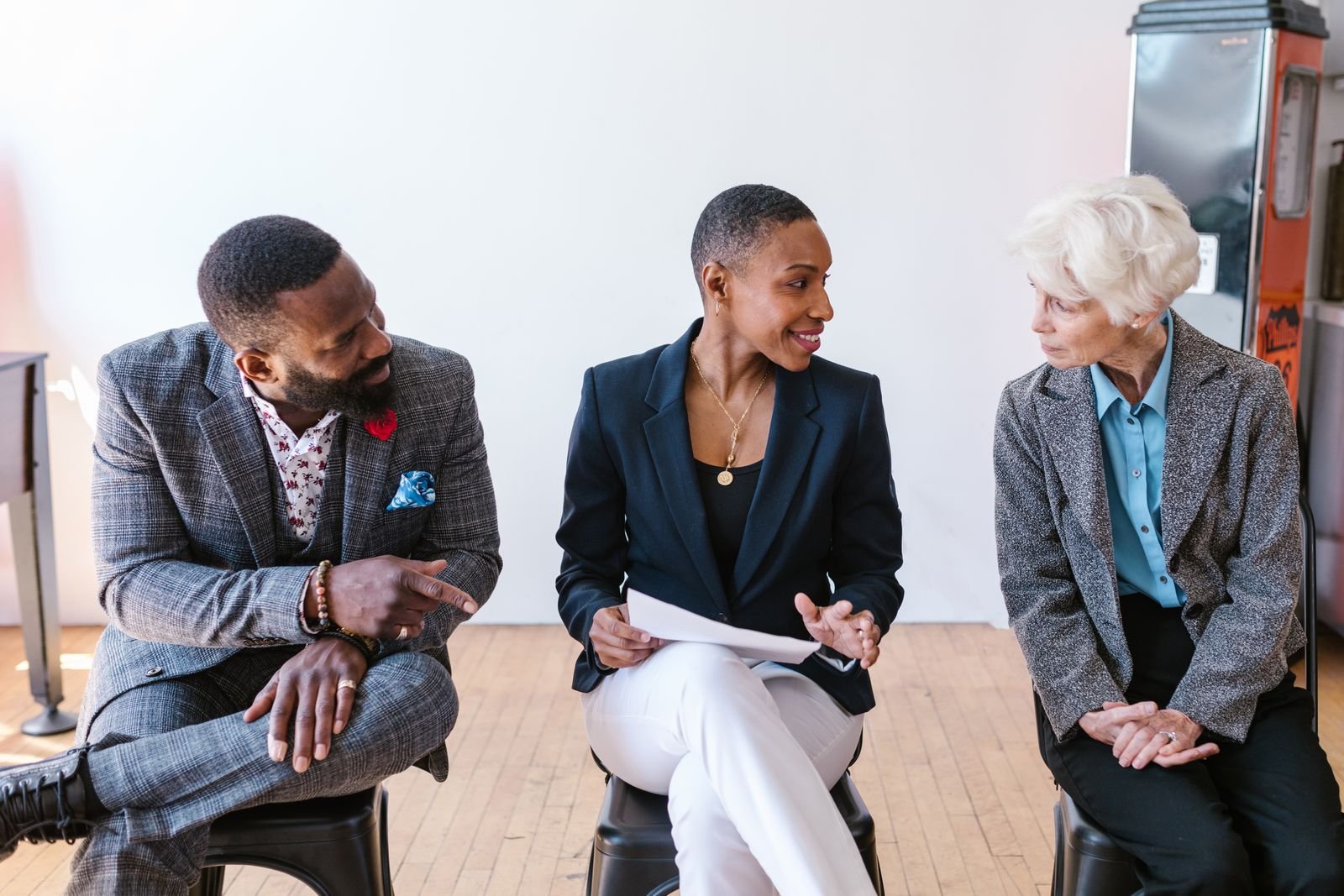
Three professionals in conversation during a community partnership meeting
Partnership

Corporate Social Responsibility in Action: Investing in Boston's Grassroots Nonprofits

What a corporate partner should look for in a small Boston nonprofit, and what a serious partnership looks like from the inside.

Read more

Give your time

Volunteer on the block

Coach a chess night, staff a resource table, mentor a teen, or lend professional skills to a growing Boston nonprofit organization. We will match you with volunteer opportunities that fit your schedule and strengths.

Explore volunteer roles