Home/Programs

What we offer

Programs that give Boston families something to do with the tension.

Every PCR Inc. program is free, open to neighbors, and designed around one question: what would have helped this family a month earlier? Below is how the work is structured, who it is for, and how to join.

Program 01

Family mediation services in Boston

A structured, confidential conversation between household members, guided by a trained neutral facilitator. Mediation is not therapy and it is not court. It is a practical process for reaching agreements people actually keep.

Families come to us over co-parenting schedules, blended-household expectations, caregiving responsibilities for an aging parent, money stress, curfews, school attendance, and the long silences that follow an argument nobody resolved. The facilitator does not decide who is right. The facilitator makes sure each person is heard completely, surfaces the underlying interests behind each position, and helps the family write its own agreement.

How a mediation cycle works

  • Intake conversation. A short, private call with each participant to understand the situation and confirm mediation is the right fit.
  • Ground rules. The group agrees on how the conversation will run: no interruptions, no name-calling, and the right to pause at any point.
  • Each person speaks. Uninterrupted time for every participant, followed by the facilitator reflecting back what was said until each person confirms it is accurate.
  • Interests, not positions. The group moves from what each person wants to why they want it, which is where workable options usually appear.
  • A written agreement. Specific, realistic commitments, written in the family's own words, with a date to check in.
  • Follow-up. We check back to see what held, what did not, and whether another session or an outside referral would help.

Mediation is voluntary at every stage. Anyone can stop, and nothing said in the room is reported anywhere. We are an educational and community support organization, not a clinical or legal provider. When a situation calls for licensed counseling, legal representation, or emergency safety planning, we say so directly and connect the family to a partner who is qualified to help.
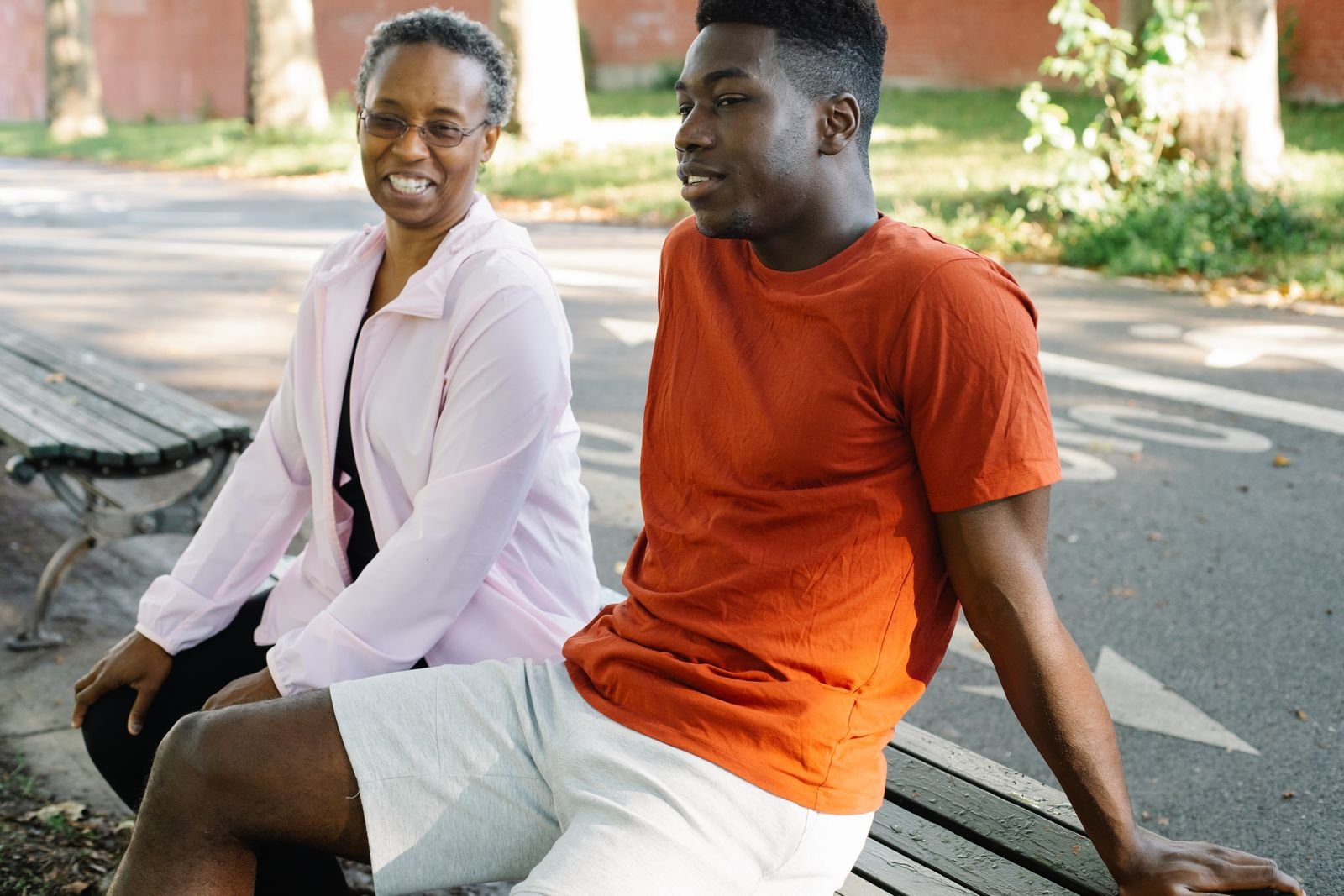
A mother and her adult son talking together on a park bench
Free and confidential. No cost, no diagnosis, no permanent record.

Program 02

Restorative justice initiatives in Boston

When harm happens, the traditional question is which rule was broken and what punishment follows. Restorative practice asks three better questions: who was hurt, what do they need, and whose obligation is it to make it right.

Community circles

Proactive circles held before anything goes wrong. Neighbors, students, or staff sit in a circle, pass a talking piece, and answer the same prompt in turn. The practice builds the relational foundation that makes hard conversations survivable later.

Responsive circles

Convened after an incident, with the person harmed at the center and participation that is always voluntary. The person responsible hears the full impact of what happened and takes on concrete, agreed-upon obligations to repair it.

Reentry and reintegration

Support for a young person returning to a classroom, team, or block after a suspension or absence. Reentry circles rebuild the relationships that were interrupted so the return does not become the start of the next conflict.

For schools and youth programs

We partner with Boston schools, athletic programs, and after-school providers to facilitate circles, coach staff on restorative language, and support students through reentry. Exclusion removes a student from the room. Restorative practice keeps them in it while still holding them fully accountable.

Bring circles to your school

For blocks and congregations

Tenant associations, faith communities, and neighborhood groups use circles to work through disputes that have been simmering for months. We facilitate, provide the structure, and hand the practice over so the group can run it without us.

Request a facilitator
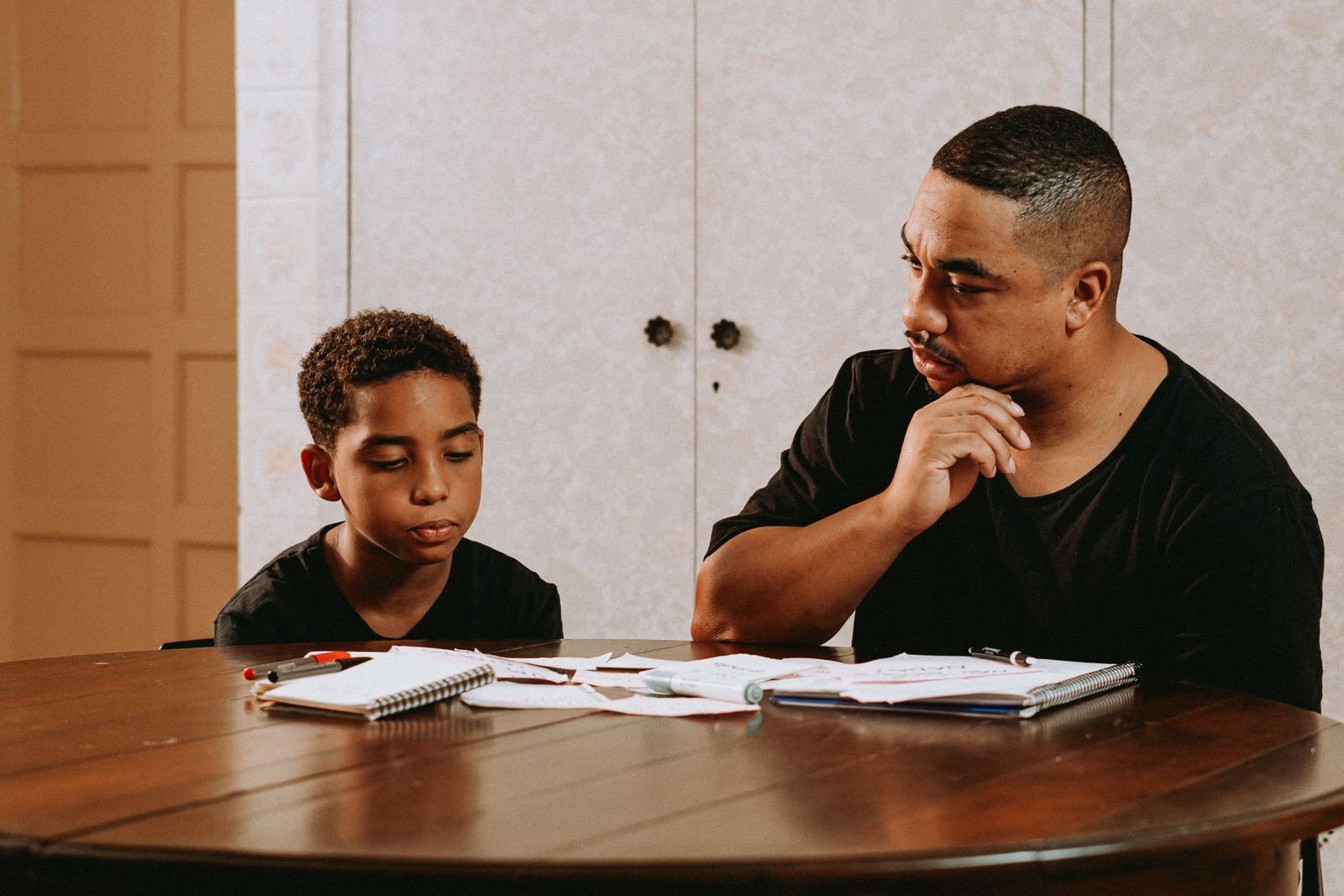
A father and son working through schoolwork together at the kitchen table
Parenting workshops in Boston Skills-based, judgment-free, and built for real households.

Program 03

Parenting workshops built for the hard evenings

Short, practical sessions for caregivers who want tools rather than theory. Each workshop teaches one skill, gives you a chance to practice it in the room, and sends you home with a one-page reminder.

  • De-escalation basics. How to lower the temperature of a conflict before anyone says something that takes a week to undo.
  • Listening that lands. Reflective listening techniques adapted from established communication frameworks, practiced in pairs.
  • Agreements over ultimatums. Building screen-time, curfew, and chore agreements your household will actually follow.
  • Repair after rupture. What to say the morning after an argument, and why modeling repair matters more than avoiding conflict.
  • Emotional vocabulary at home. Helping children name what they feel, drawn from social and emotional learning models such as the CASEL framework.

Workshops are educational, not clinical. We do not diagnose, and we do not replace licensed care. Caregivers looking for therapeutic support are connected to Boston-area providers through our resource directory.

Program 04

Literacy circles and technology training

Unifying families through literacy and technology is written into our mission because both are conflict-prevention tools. A person who can read a lease, a school notice, or a text thread carefully is a person with more options.

📖

Family reading circles

Caregivers and children read the same short text and discuss it together. The discussion questions are built to surface perspective-taking: what did each character want, what did they miss, what else could they have done.

💻

Digital literacy for caregivers

Hands-on sessions covering privacy settings, school portals, benefits applications, scam recognition, and the platforms young people actually use. Closing the digital divide inside a household removes a common source of friction.

🎨

Collaborative arts

Community art nights where neighbors build something together. Shared creative work lowers defenses, gives quieter participants a way in, and produces something the block can point to afterward.

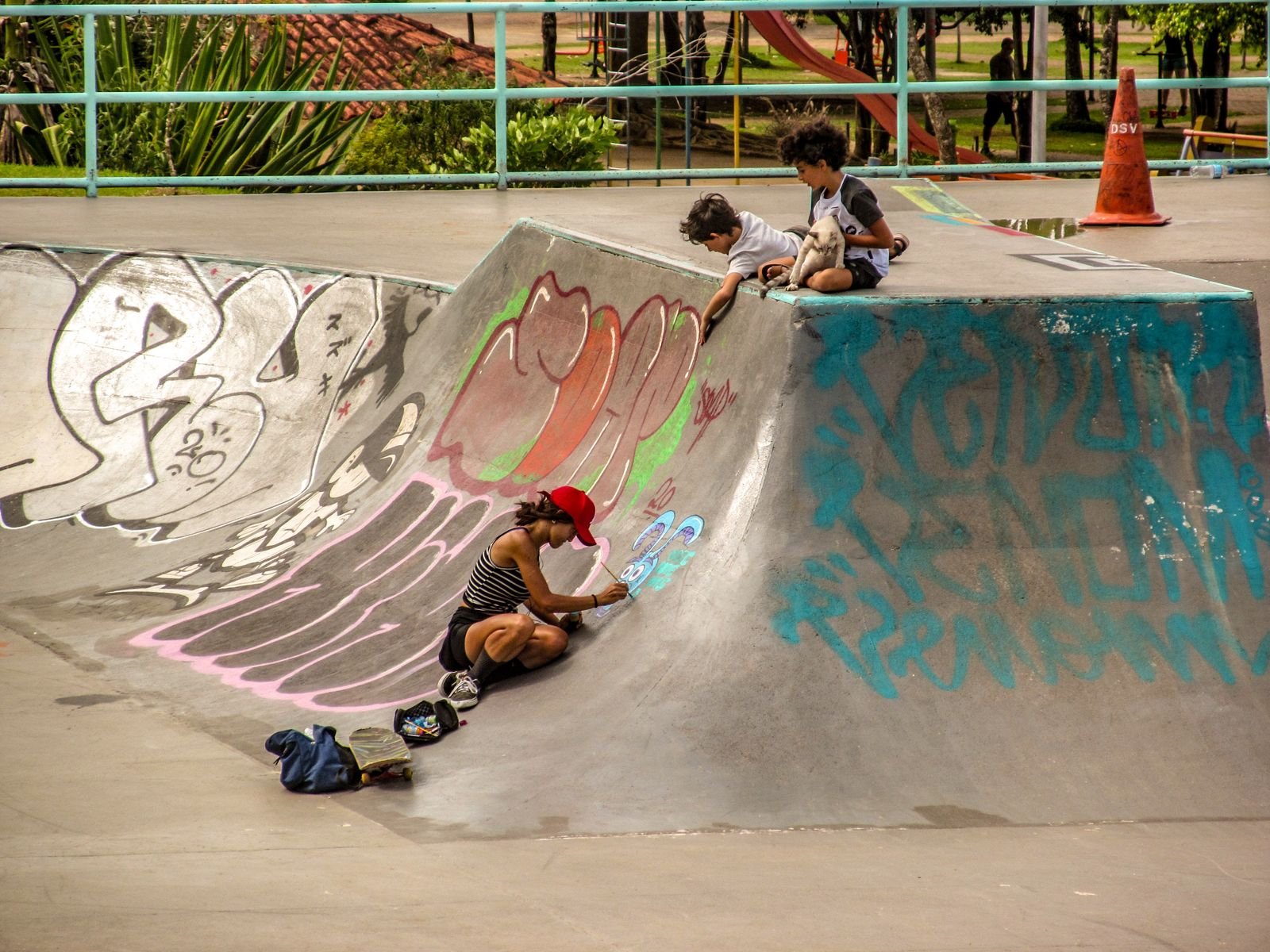
Young people painting a collaborative mural at a neighborhood art session
Collaborative arts nights give quieter participants a way into the group — and leave the neighborhood something to point at.

Program 05 · Flagship

Chess for Peace

PCR Inc.'s community chess league is a welcoming space where families, neighbors, and community members come together through strategy, learning, and friendly competition while practicing conflict resolution through communication, patience, and positive engagement.

Whether you are brand new to chess or an experienced player, the program is designed to encourage critical thinking, teamwork, and meaningful community connection in a supportive and inclusive environment. Sets and instruction are provided. Families stay for the conversation as much as the games.

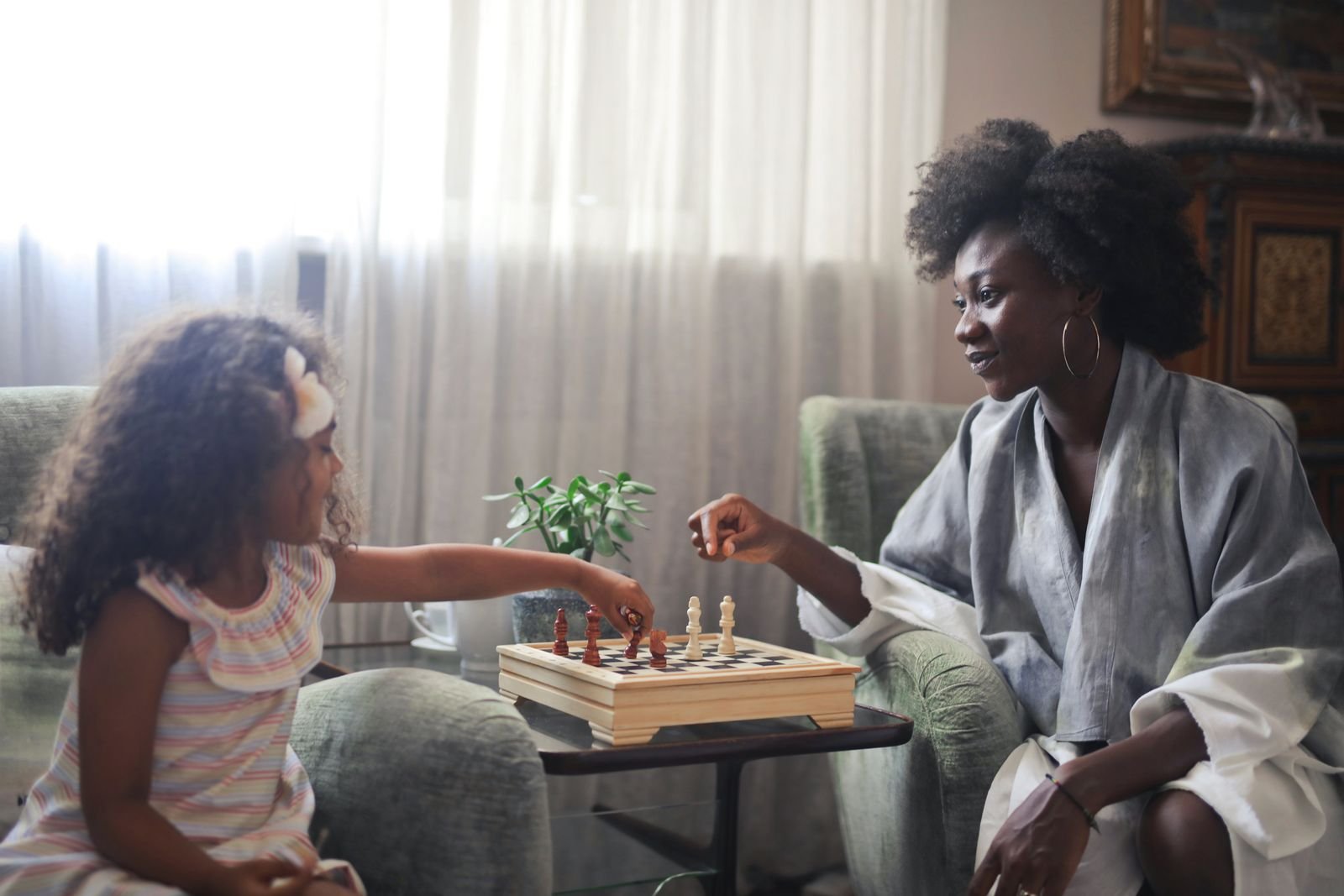
A mother and daughter playing chess together at home
Free, family-friendly, all levels. Boards, clocks, and coaching provided.

Common questions

Before you reach out.

Do your programs cost anything?
No. Mediation, workshops, chess nights, literacy circles, and resource navigation are free to the families and neighborhoods we serve. Programs are funded through donations, partners, and fundraising events such as Checkmate for Change.
Is PCR Inc. a counseling or legal service?
No. We are a community education and conflict resolution organization. Our facilitators do not diagnose, treat, or provide legal advice. When a family needs clinical care, legal representation, or emergency safety planning, we refer them to qualified Boston-area providers and follow up to make sure the connection was made.
Who can request a mediation or a circle?
Any Boston-area family, school, tenant association, congregation, or youth program. Participation is voluntary for everyone involved, and we will speak with each participant privately before the group meets.
Is what I say kept private?
Yes, with one limit we state up front: if someone discloses an immediate risk of serious harm to themselves or another person, we will act to keep people safe. Outside of that, what is said in the room stays in the room.
What neighborhoods do you serve?
We currently focus on Dorchester, Roxbury, and Mattapan, with programming expanding toward Hyde Park, Roslindale, East Boston, and Charlestown. If you are elsewhere in Greater Boston, contact us anyway and we will find a way to help or refer you.

Give your time

Volunteer on the block

Coach a chess night, staff a resource table, mentor a teen, or lend professional skills to a growing Boston nonprofit organization. We will match you with volunteer opportunities that fit your schedule and strengths.

Explore volunteer roles