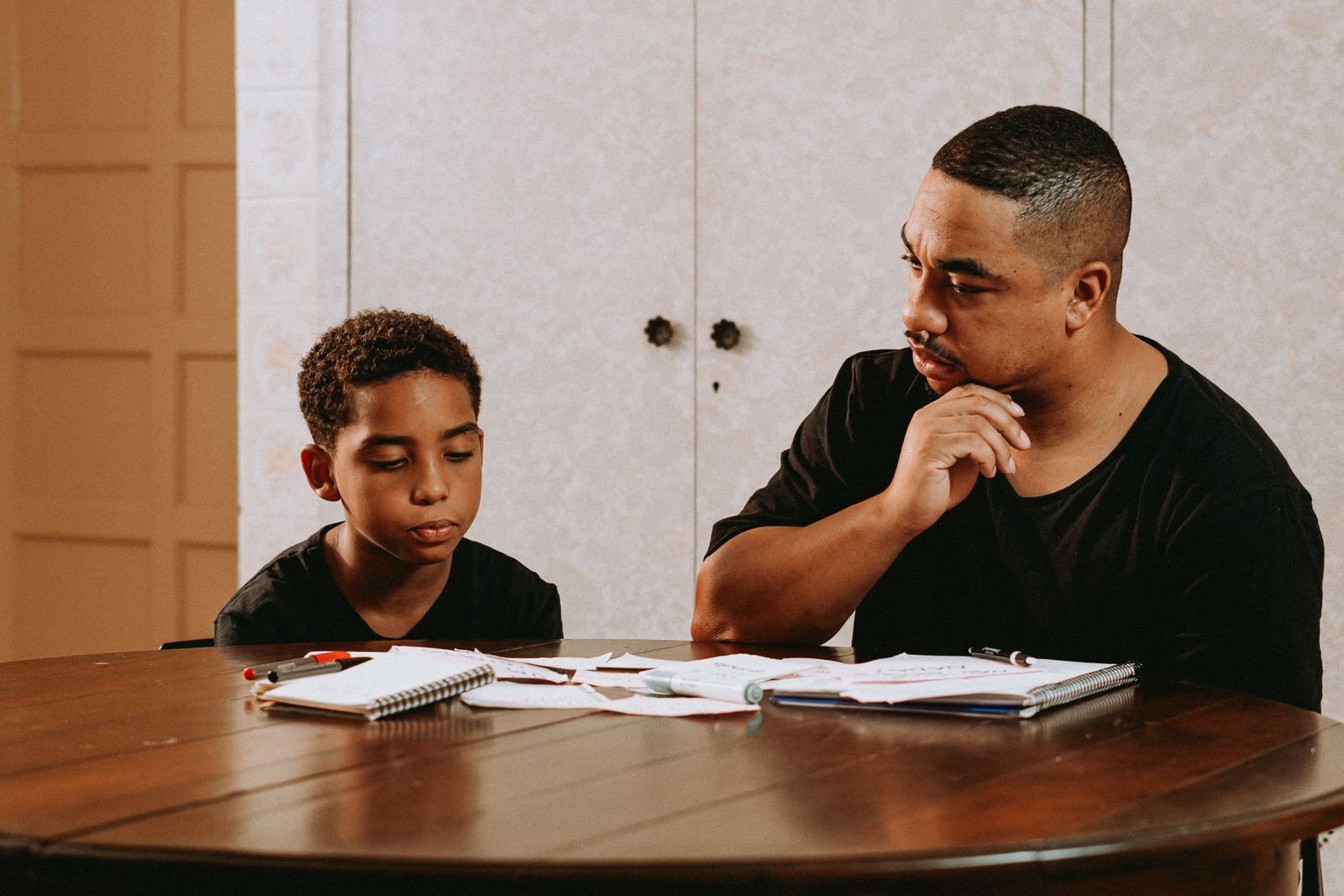
Program 01
Family mediation services in Boston
A structured, confidential conversation between household members, guided by a trained neutral facilitator. Mediation is not therapy and it is not court. It is a practical process for reaching agreements people actually keep.
Families come to us over co-parenting schedules, blended-household expectations, caregiving responsibilities for an aging parent, money stress, curfews, school attendance, and the long silences that follow an argument nobody resolved. The facilitator does not decide who is right. The facilitator makes sure each person is heard completely, surfaces the underlying interests behind each position, and helps the family write its own agreement.
How a mediation cycle works
- Intake conversation. A short, private call with each participant to understand the situation and confirm mediation is the right fit.
- Ground rules. The group agrees on how the conversation will run: no interruptions, no name-calling, and the right to pause at any point.
- Each person speaks. Uninterrupted time for every participant, followed by the facilitator reflecting back what was said until each person confirms it is accurate.
- Interests, not positions. The group moves from what each person wants to why they want it, which is where workable options usually appear.
- A written agreement. Specific, realistic commitments, written in the family's own words, with a date to check in.
- Follow-up. We check back to see what held, what did not, and whether another session or an outside referral would help.
Mediation is voluntary at every stage. Anyone can stop, and nothing said in the room is reported anywhere. We are an educational and community support organization, not a clinical or legal provider. When a situation calls for licensed counseling, legal representation, or emergency safety planning, we say so directly and connect the family to a partner who is qualified to help.